

Date
March 2024
Author
Abigail Townsend
Share
March 2024
Abigail Townsend


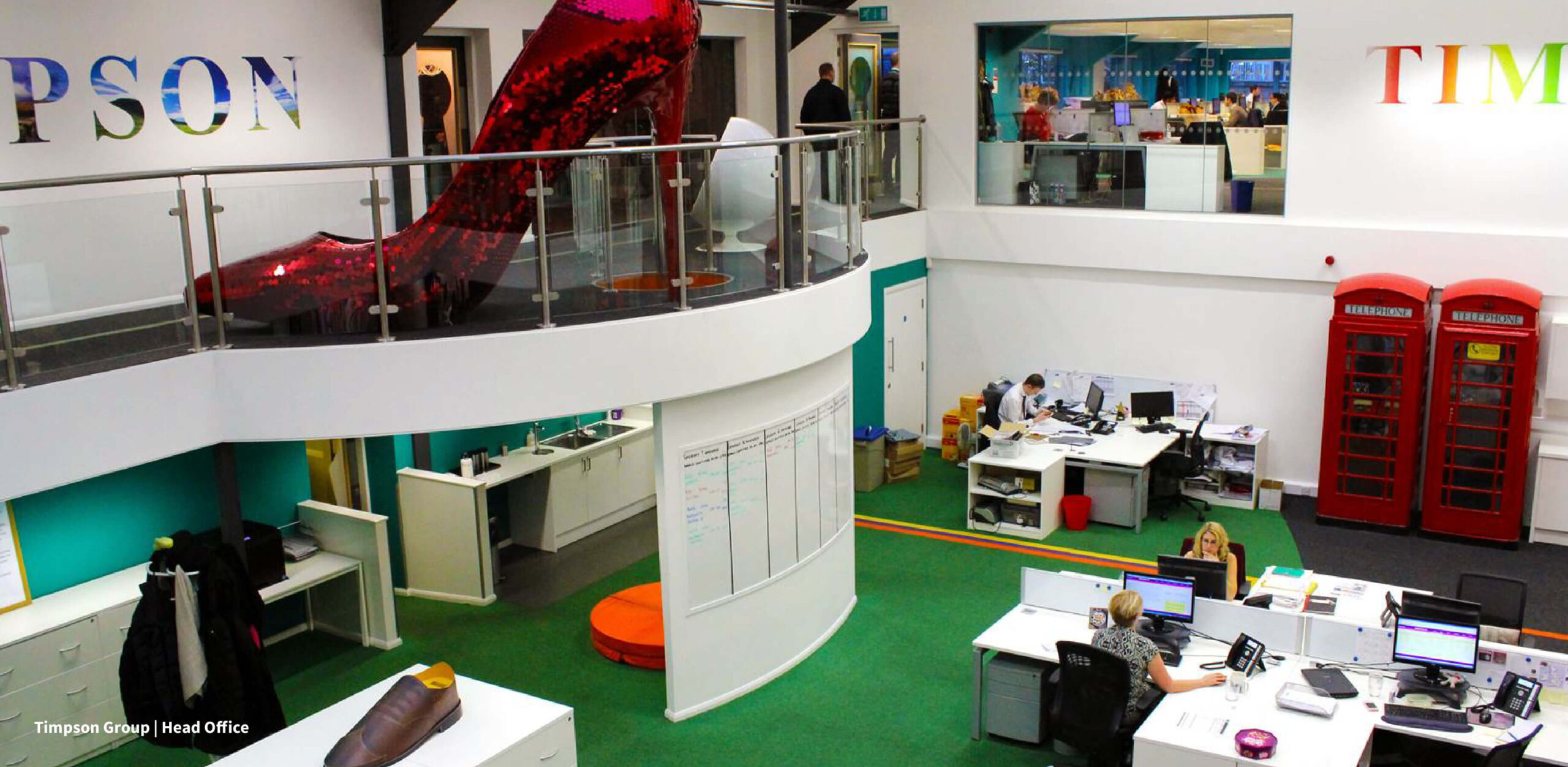
It would be easy to accuse Timpson Group of adopting a dizzying array of marketing gimmicks. The family-owned British retailer – home to the eponymous cobbler and key cutting chain as well as Snappy Snaps and Johnsons dry cleaning, among others – proudly boasts a plethora of quirky employee perks.
You get every birthday off; champagne too if itʼs a milestone. If your beloved pet dies, you can take a day to recover. Colleagues – itʼs never staff, always colleagues – can bring their healthier pooches into work, where they are given the official title Director of Entertainment. There is even a (human) Director of Happiness. Except Timpson doesnʼt have a marketing or a PR department – and it has introduced all the above benefits, and many more besides, for sound business reasons.
“There is a direct correlation between how happy colleagues are and how much money we make,” says Chief Executive James Timpson matter-of-factly.
“So many businesses try and make money. What we try and do is have a really strong culture, where colleagues are happy, and then make money. Itʼs so much easier, so much more fun, and so much more consistent.”
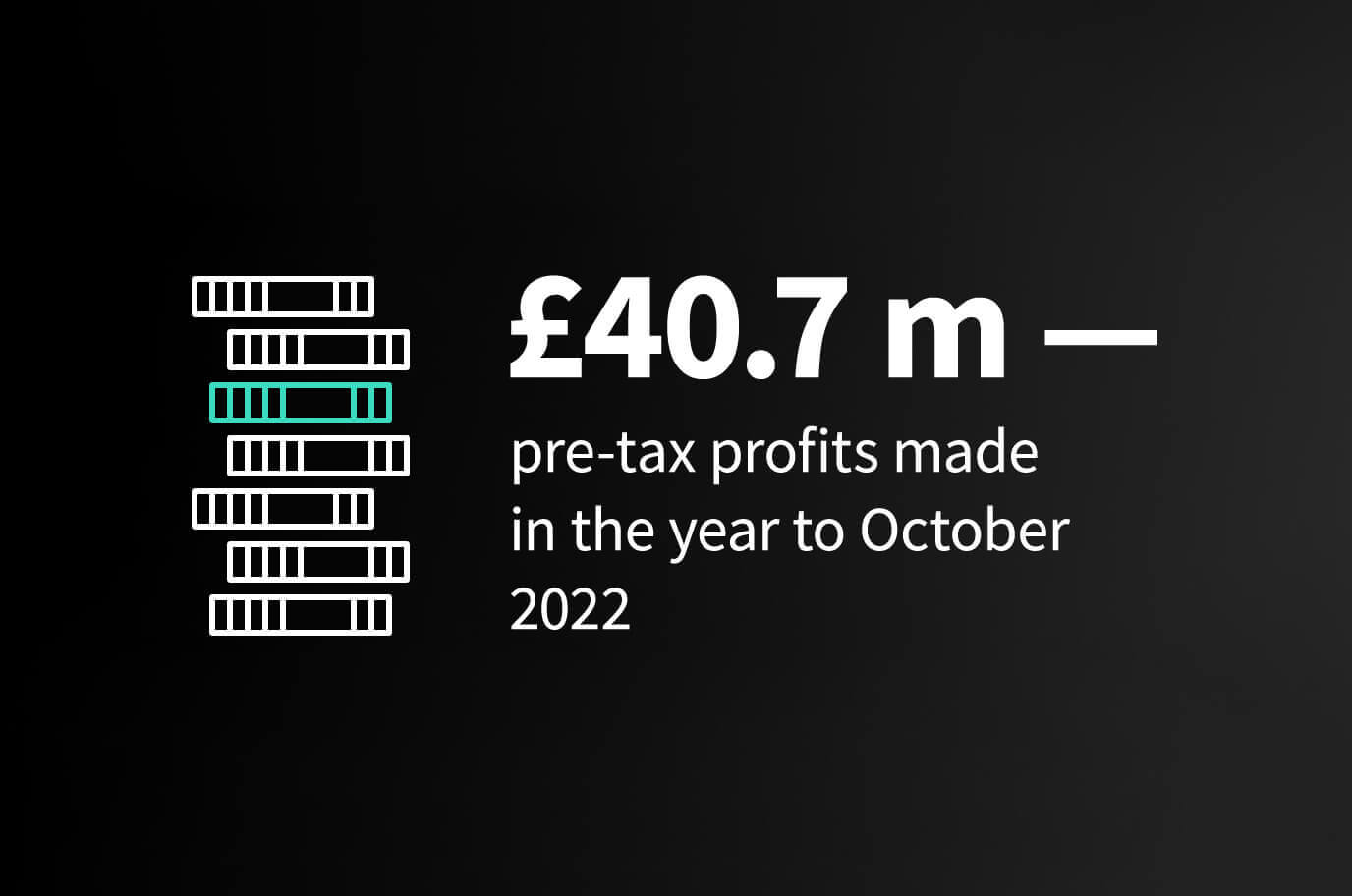
Timpson Group made pre-tax profits of £40.7m in the year to October 2022, on revenues of £297.6m. Last year was “equally as good”, Timpson says, despite the well-documented challenges of inflation and soaring energy costs. “All of our competitors in the UK have gone bust, in everything weʼve done,” says Timpson with a shrug. “But weʼre still doing pretty well.”
Timpson joined the family business full-time out of university, initially as a sales rep. But it was when he worked in company shops as a teenager that he first honed his workplace philosophy. “Because I was the bossʼs son, I could do what I wanted,” he recalls. “I like personal rules, but from a business perspective I donʼt like being boxed in. So, I broke all the rules and customers kept coming back. And I thought, if I can do it, why canʼt everybody else?”
Retail staff are asked to follow just two non-negotiable rules: “Put the money in the till and look the part. The rest is whatever they think is right.
“So many businesses have all these rules to stop the odd idiot being an idiot. But I believe to have great service you need flexibility for people to do what they think is right based on their personality and skills. They do displays how they want, order whatever stock they want, they can give discounts, do deals, decide when they go to the loo. They run it how they want.”
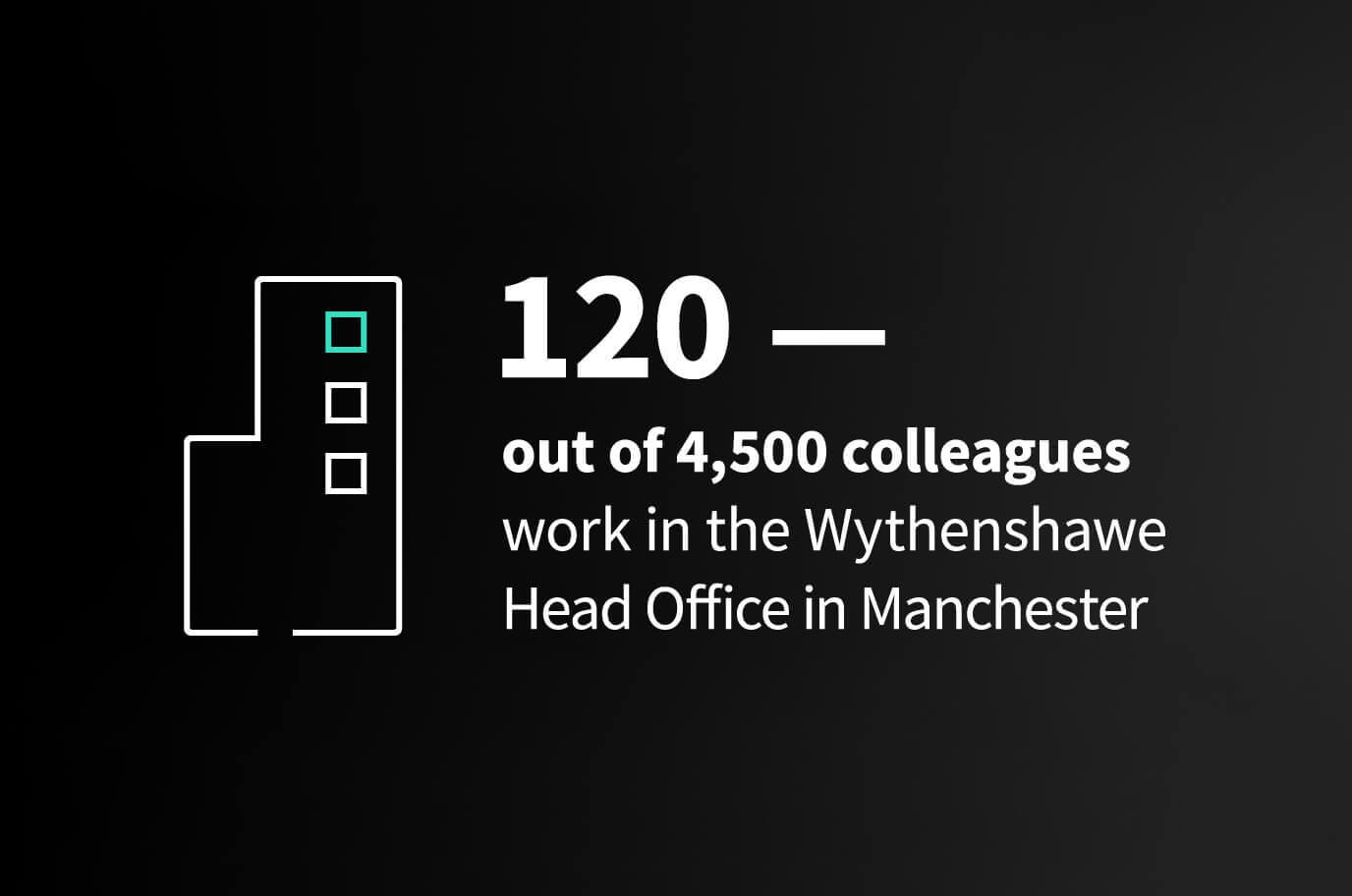
Of the firmʼs 4,500 colleagues, around 120 work in the Wythenshawe Head Office in Manchester. The retailer aims to provide the best workplace it can here, from subsidised food to flexible hours. But there is no hybrid working. “We work from work,” says Timpson. “Weʼre here to support the colleagues who work in the shops.
“Culture is so important to us, and I donʼt believe you can have a strong culture when everyone is at home. But I also understand that you need to make the office environment appealing, so people actually want to work there.”
He maintains that among existing staff, there has been no pushback, though it has come up during recruitment. Not that he cares much: “Sometimes people will say ʻI only want to work three days in the officeʼ. Fine. Go and work somewhere else then. Not for us.”
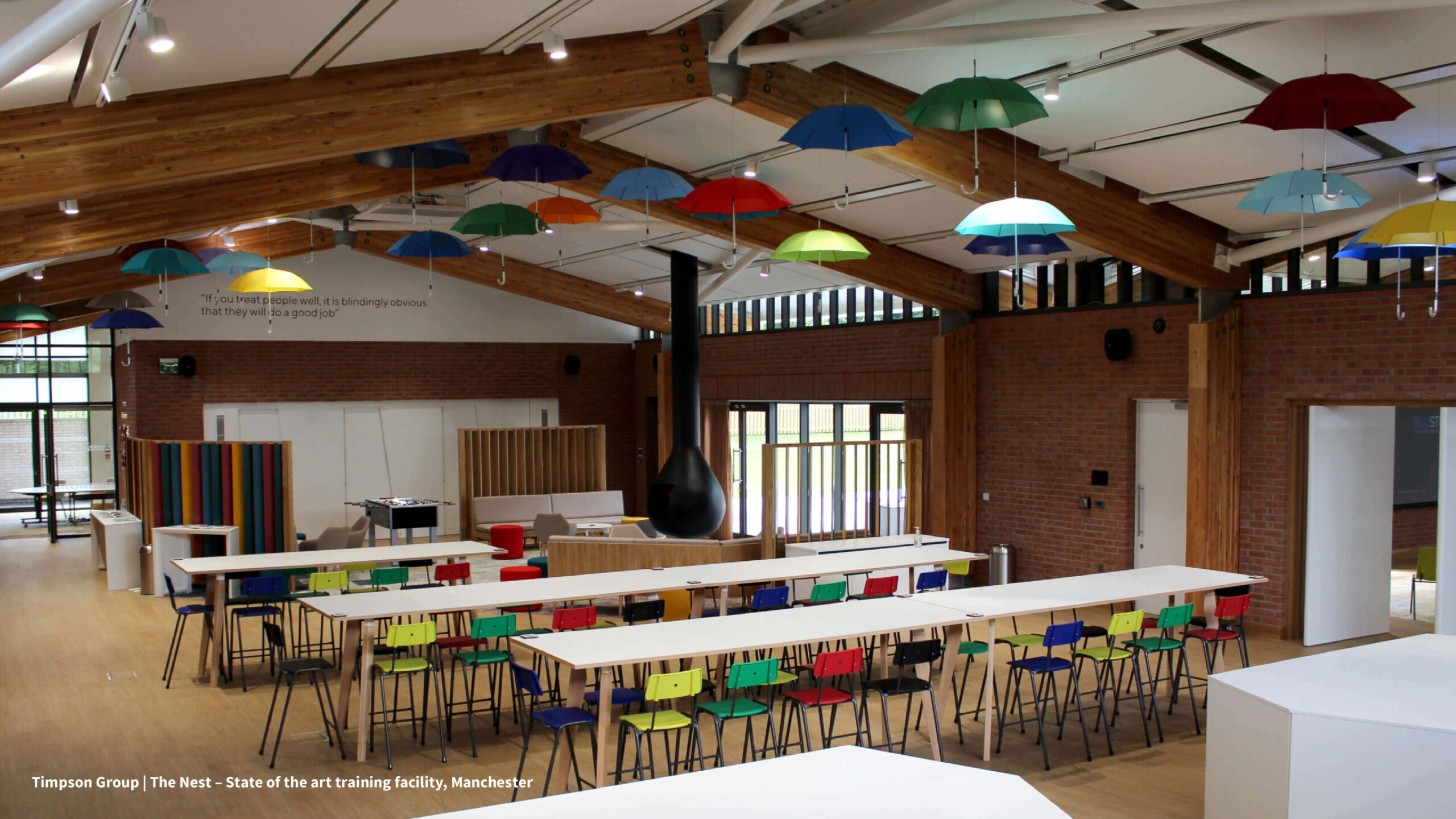
For those who do join, there is a 16-week probation period – “Itʼs a hard job, being in a shop. Itʼs not for everybody,” – after which staff travel to the head office for training (or “cultural indoctrination”, as Timpson calls it, only partly joking). Employees are eligible for most of the myriad perks after 12 months. As well as days off for birthdays, they include free use of company holiday homes and the right to apply to the Dreams Come True scheme, which has paid for family reunions, dental work and even a dream wedding in Las Vegas.
The Director of Happiness – better known as Janet Leighton, a Timpson employee for nearly two decades – manages all the various benefits, but also works closely with colleagues who may be struggling for personal reasons. “Even though sheʼs Director of Happiness, she spends a lot of her time with colleagues who are unhappy,” says Timpson. Staff are also surveyed annually via a company-wide happiness index, which consists of just one question: on a scale of 1 to 10, how happy are you? The scores, says Timpson, are consistently high, but they are swift to address any issues thrown up. “If you were my area manager and you get a low score average from your colleagues, you will get demoted,” says Timpson. “Even if your financial figures are amazing and everything else is spot on, if youʼre not a boss our colleagues respect and admire, weʼll get someone else.”
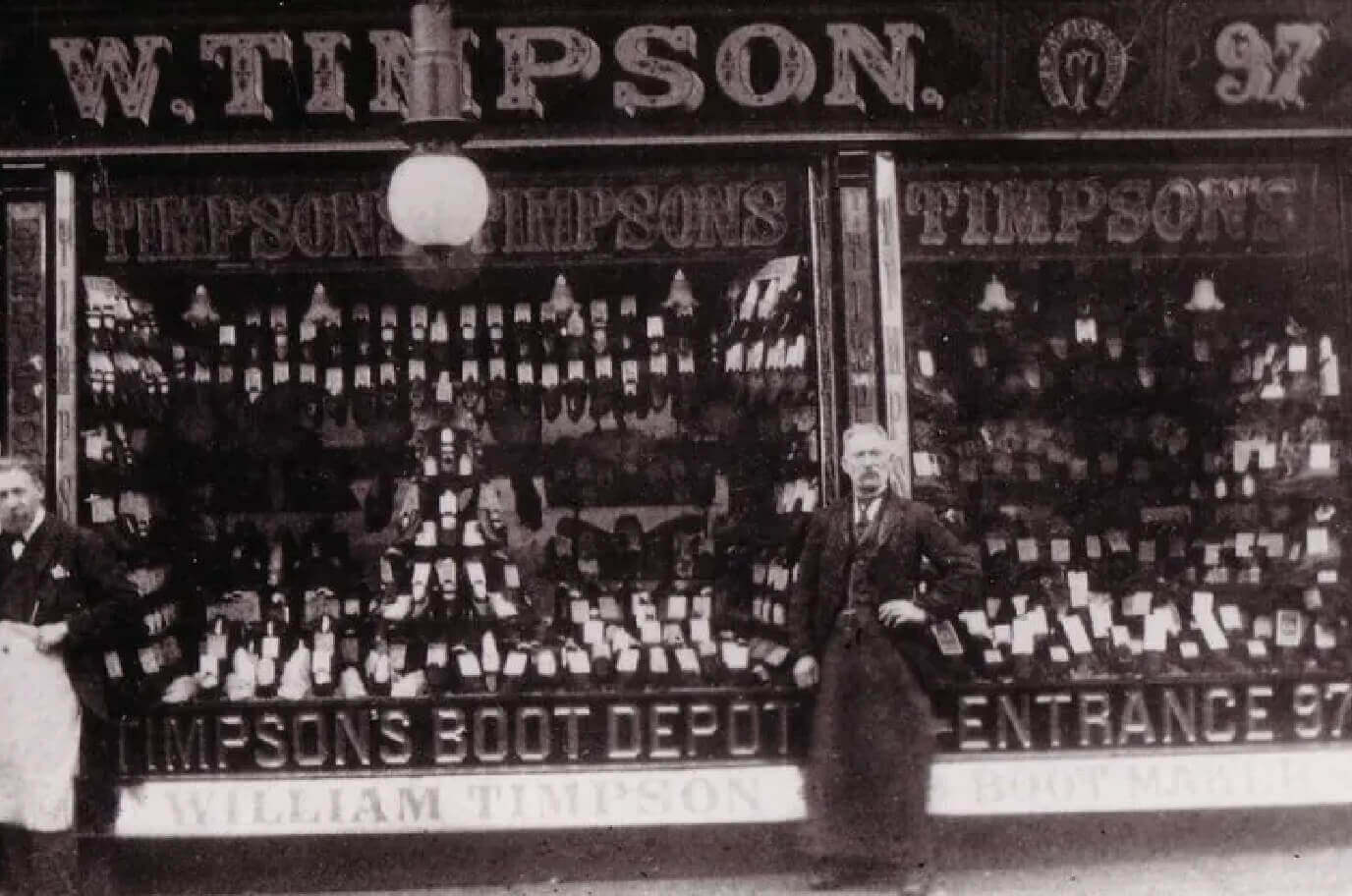
Five generations of the Timpson family have been involved in the business that bears their name. Chairman, Sir John Timpson CBE, is the great grandson of the founder, William Timpson, who at the age of 16 opened his first shop in Oldham Street, Manchester. William learned his boot and shoe making craft in his native Northamptonshire, but he soon realised that it took a week to make a pair of boots, but only a few minutes to sell them.
Timpson took over as Chief Executive in 2002 from his father Sir John, who is now Chair (Timpsonʼs great, great-grandfather William Timpson founded the business in 1865). The family is in many ways very traditional: Timpson, 52, went to Uppingham School and Durham University, while his brother Edward is a Conservative MP. But their parents fostered more than 90 children while they were growing up, and the experience has left Timpson only too aware of the British criminal justice systemʼs failings. Many of the children that passed through his childhood home ended up in prison, he recalls, “through no fault of their own. And when I first went into a prison, I just felt that so many of the people there shouldnʼt be there.”
So around two decades ago he started recruiting ex-offenders, initially because he wanted to give them a second chance but also, it turned out, because “they were really, really good”. Now around 10% of Timpsonʼs workforce are ex-offenders; on the day we talk three members of the finance team are there on day release (the only part of the company ex-offenders are not employed in is the locksmith business, for logical reasons).
“There are 14m people in this country with a criminal conviction more than a driving licence – 14m,” says Timpson, with an edge of anger. “Weʼre a country thatʼs addicted to punishment. These people are being punished and punished, and when theyʼre released the restrictions and conditions and stigma mean theyʼre still being punished.”
Timpson – who is also chair of the Prison Reform Trust – now wants to get more businesses involved through Employment Advisory Boards. Bringing together prison governors and local employers, the boards meet regularly to help solve what Timpson calls “the job problem” – getting people straight into work out of prison. “Because every day that you go beyond release and havenʼt got a job, thatʼs a big problem.” Two years ago, when Timpson convinced then justice secretary Dominic Raab to trial the idea, 14.1% of people left prison with a job and still had it six months later. Itʼs now 30.4%. The boards are now being rolled out across all release prisons.

As for the future of Timpson Group, the family has no plans to exit (indeed, of Timpsonʼs three children, one is already working part time while at university with another due to join early next year). Instead, Timpson wants to continue growing the business: the retail estate now stands at more than 2,000 following a series of acquisitions, and another 40 to 50 stores are planned for 2024.
But even as the firm gets ever-bigger, Timpson remains adamant its culture will not change – not least because it is so integral to the groupʼs ongoing financial success.
As he says: “If you want colleagues to give kind customer service you have to be kind to them. You canʼt be a bastard cracking the whip all the time and expect them to be nice to people – it doesnʼt work. Youʼve got to be an amazing employer. Youʼve got to be so good that people donʼt want to leave.”